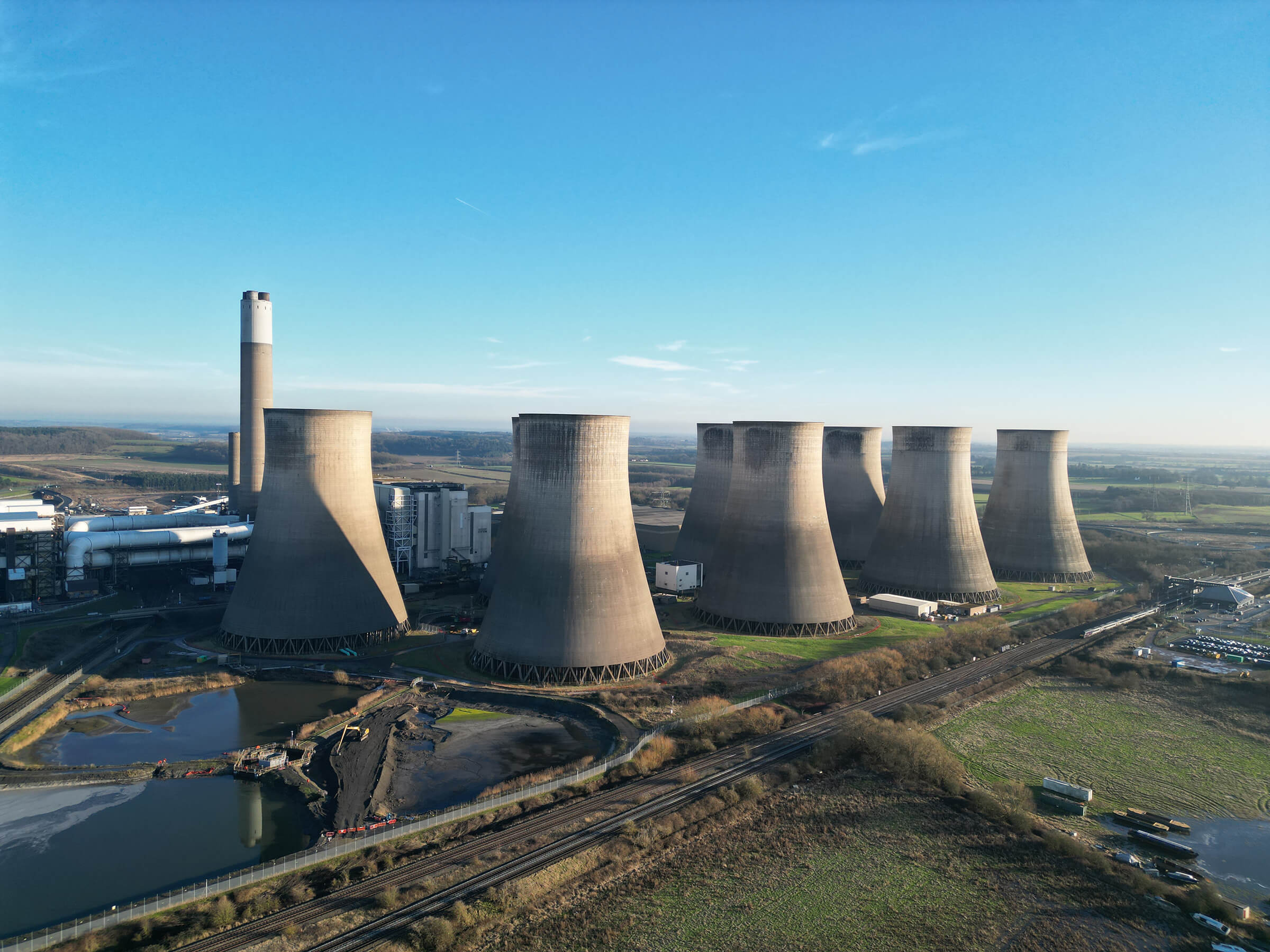
Power generation, nuclear operations, petrochemical locations, pharmaceutical manufacturing and other mission-critical environments present some of the most complex fire risks in industry.
These critical infrastructures operate under tightly regulated conditions where fire incidents carry significant safety, environmental and operational consequences.
Alpine Fire delivers engineered fire detection and suppression systems for special risk and mission-critical environments, providing tailored systems designed to meet the specific operational, regulatory and insurer requirements of each site.
Our approach combines robust system design with long-term maintenance and compliance assurance, ensuring that critical fire protection systems perform reliably when they are needed most.
We understand that in mission-critical environments, how fire protection is delivered is as important as what is installed.
Fire protection systems for aerospace manufacturing and MRO facilities, ensuring compliance, asset protection and resilience in regulated, mission-critical environments.
Engineered fire protection for automotive production, protecting robotic lines, paint shops and EV battery risks without disrupting continuous manufacturing.
Specialist fire protection systems for food production, processing and cold storage, designed to minimise contamination risk and operational disruption.
Engineered fire protection systems for automated logistics environments, protecting high-bay storage, ASRS operations and high-throughput distribution facilities.
Fire protection systems for GMP-regulated pharmaceutical facilities, protecting critical production, cleanrooms and high-value storage while maintaining compliance and continuity.
Fire protection systems for power, petrochemical and mission-critical environments, ensuring compliance, safety and reliable performance in critical infrastructure.
Alpine Fire provide fire suppression and detection systems to meet any design or insurance specification.
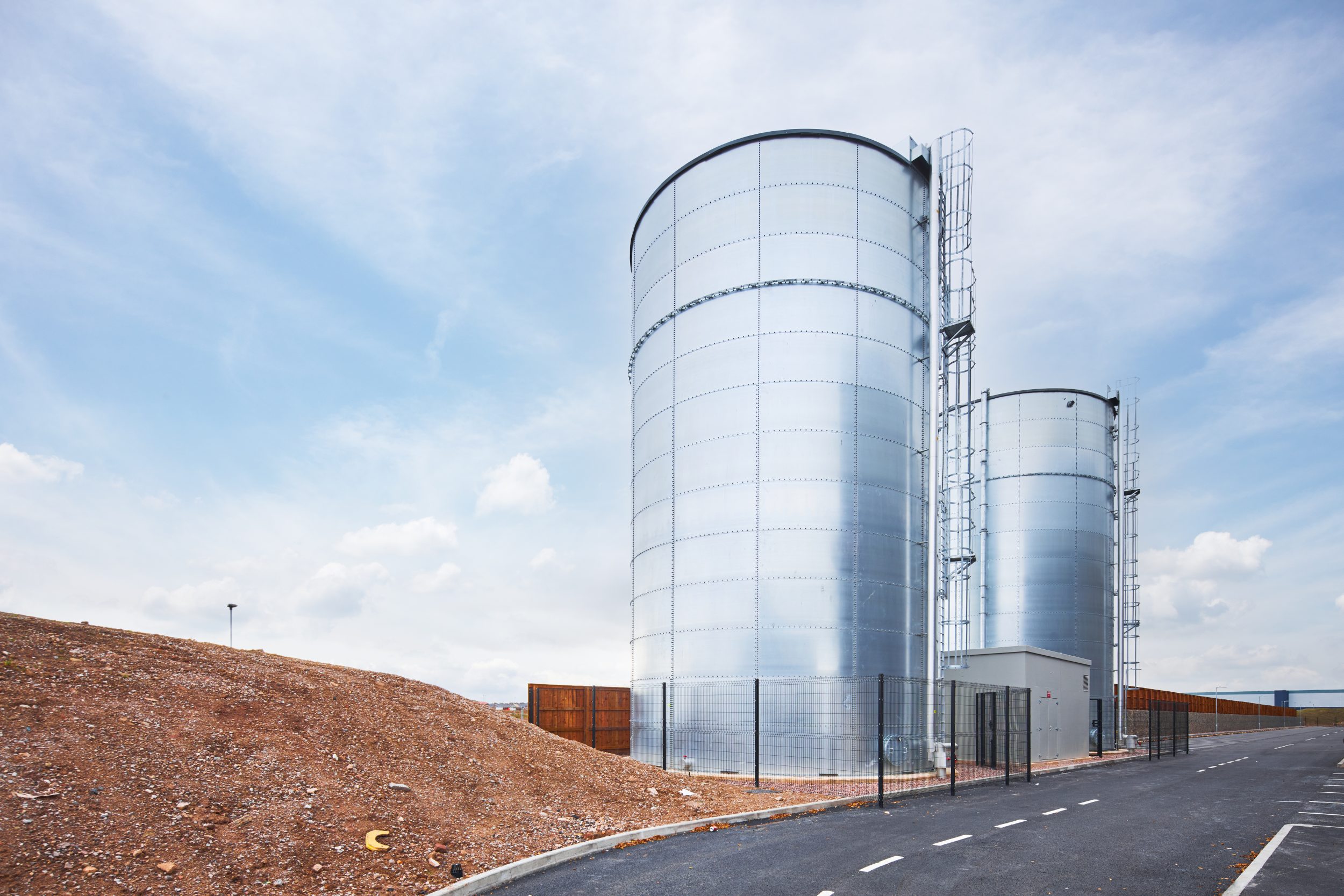
Our systems have been designed to LPC BS EN 12845 and NFPA/FM standards, and we design to BS 5839 as a whole for detection, including BS 6266.


